
As a health advocate, my goal is to empower you with the knowledge and strategies you need to prevent kidney issues and promote overall well-being. The kidneys, our body’s vital filtration system, play a crucial role in maintaining our internal balance by removing waste, regulating blood pressure, and supporting bone health. Despite their importance, kidney problems can often go unnoticed until they become severe.
Here are some practical tips to help keep your kidneys healthy:
1. Stay Hydrated
- Drink Plenty of Water: Aim for about 8 cups (2 liters) of water a day, or more if you’re physically active. Proper hydration helps kidneys filter waste more effectively.
- Limit Sugary and Caffeinated Beverages: Excessive consumption of sugary drinks and caffeine can put stress on the kidneys. Opt for water or herbal teas.

2. Eat a Kidney-Friendly Diet
- Reduce Salt Intake: High salt can increase blood pressure and strain kidneys. Aim for less than 2,300 mg of sodium per day.
- Limit Protein: Excessive protein can stress the kidneys. Opt for moderate protein intake, and choose high-quality sources like lean meats, fish, beans, and legumes.
- Eat More Fruits and Vegetables: They provide essential vitamins and minerals and are generally low in sodium.
- Control Potassium and Phosphorus: For those with kidney issues, monitoring these minerals might be necessary. Foods high in potassium include bananas and oranges, while phosphorus is found in dairy and nuts.

3. Monitor and Manage Your Blood Pressure
- Check Your Blood Pressure Regularly: High blood pressure can damage the kidneys over time. Maintain a healthy blood pressure through diet, exercise, and medication if needed.
- Reduce Stress: Practice relaxation techniques such as deep breathing, yoga, or meditation to help manage stress.

4. Control Blood Sugar Levels
- Manage Diabetes: If you have diabetes, keep your blood sugar levels well-controlled through diet, medication, and regular monitoring.
- Eat a Balanced Diet: Choose whole grains, vegetables, and lean proteins to help stabilize blood sugar levels.

5. Maintain a Healthy Weight
- Exercise Regularly: Engage in regular physical activity to help maintain a healthy weight and reduce the risk of conditions that can affect the kidneys, such as diabetes and hypertension.
- Follow a Healthy Diet: Balance your calorie intake with physical activity to maintain a healthy weight.

6. Avoid Over-the-Counter Painkillers
- Use Medications Wisely: Frequent use of nonsteroidal anti-inflammatory drugs (NSAIDs) like ibuprofen can harm the kidneys. Use them only as directed and consult your doctor for alternatives if you need regular pain relief.
7. Avoid Smoking and Limit Alcohol
- Quit Smoking: Smoking can damage blood vessels and reduce blood flow to the kidneys, impairing their function.
- Limit Alcohol Intake: Excessive alcohol consumption can lead to high blood pressure and liver damage, which can impact kidney health.

8. Get Regular Check-Ups
- Regular Health Screenings: Have regular check-ups with your healthcare provider to monitor kidney function, especially if you have risk factors like high blood pressure or diabetes.
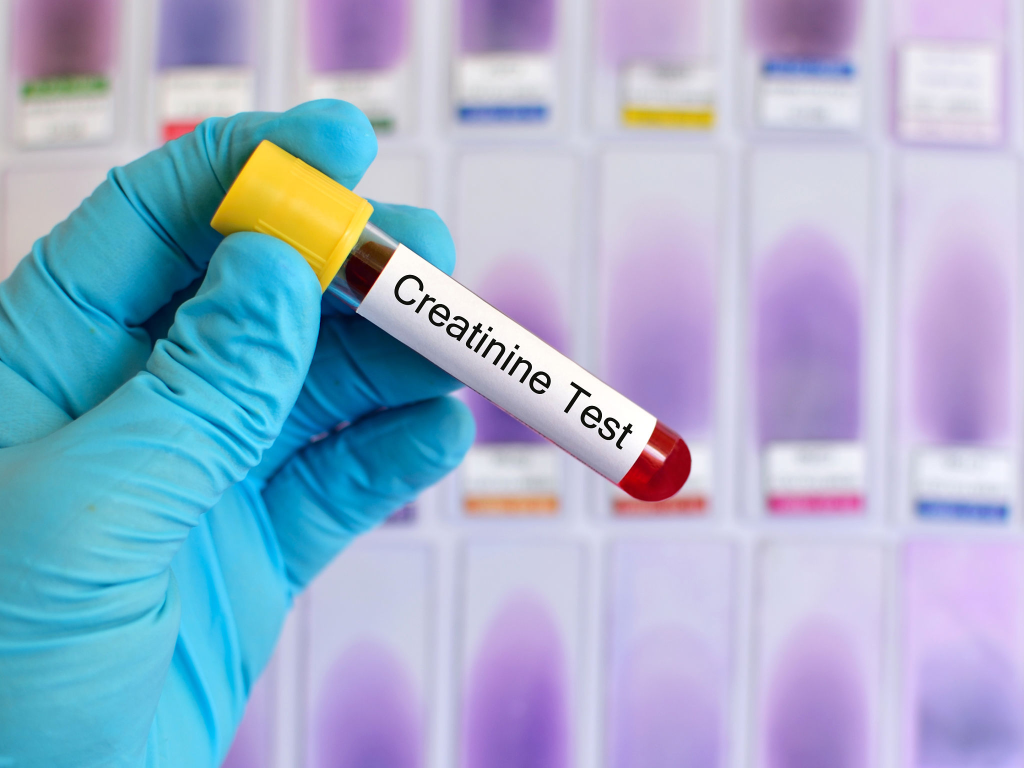
- Kidney Function Tests: If you have a family history of kidney disease or other risk factors, discuss with your doctor the need for regular kidney function tests.
9. Be Cautious with Supplements
- Use with Care: Some supplements and herbal remedies can affect kidney health. Consult a healthcare provider before starting any new supplements.

10. Practice Good Hygiene
- Prevent UTIs: Proper hygiene and adequate fluid intake can help prevent urinary tract infections, which can affect kidney health if recurrent.

Manage Medical Conditions
Conditions like diabetes and high blood pressure can impact kidney health. It’s important to manage these conditions effectively. Follow your doctor’s advice and take prescribed medications as directed. By keeping these conditions under control, you can reduce the risk of kidney damage.

Taking these simple steps can help keep your kidneys healthy. Remember, small changes in your daily routine can lead to big improvements in your overall health.






 WORK TRAVEL EXPLORER
Leave a comment